
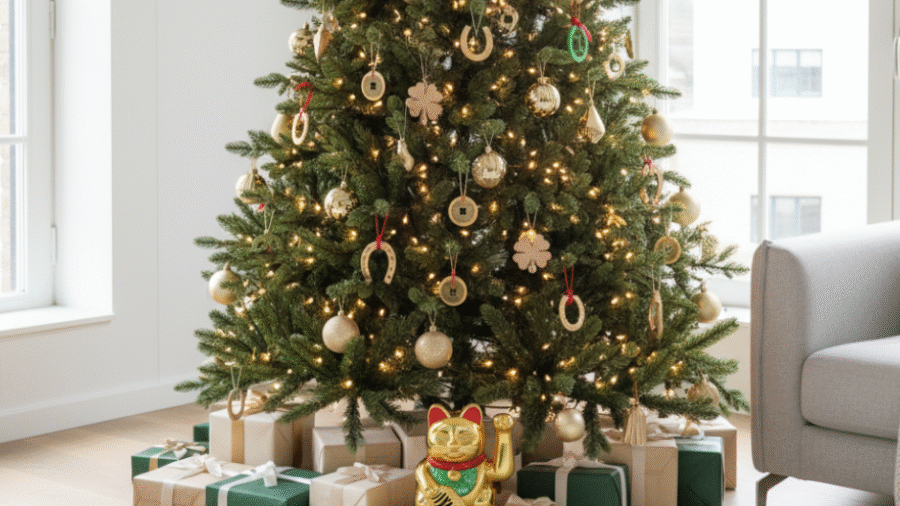
The Christmas tree stands as one of the most enchanting and cherished symbols of the holiday season, bringing warmth, light, and joy to millions of homes worldwide. Beyond its decorative role, many cultures and traditions believe that the Christmas Tree Lucky holds unique powers of luck, prosperity, protection, and positive energy. Exploring its symbolism, cultural beliefs, and spiritual significance reveals fascinating insights into why many affirm its status as a bringer of good fortune.
The Symbolic Roots of the Christmas Tree
The tradition of the Christmas tree originate in Germany during the 16th century, incorporating ancient symbols of evergreen trees representing eternal life, resilience, and renewal. Evergreens stay green even through harsh winters, symbolizing hope and life persevering over darkness and cold.
-
In Christian symbolism, the tree’s triangular shape represents the Holy Trinity—Father, Son, and Holy Spirit.
-
The star or angel atop the tree is said to symbolize the Star of Bethlehem or the angel announcing Jesus’ birth, guiding the faithful.
-
The lights on the tree represent Christ as the light of the world, dispelling darkness.
This rich symbolism ties the Christmas tree to themes of protection, hope, and spiritual renewal—qualities often associated with luck and blessings.
Cultural Beliefs and Traditions About the Luck of Christmas Trees
Positive Energy and Vastu Beliefs
According to Vastu Shastra, the traditional Hindu system of architecture, the Christmas tree is believe to bring positive energy and good fortune when placed correctly in the home.
-
It is said to absorb negative energy from the surroundings, purifying the environment.
-
Placement matters: The tree should ideally be locate in the north-east direction of the home to invite wealth, prosperity, and harmony.
-
Trees placed in the southern part of a home might not bring the same benefits and could be considered less auspicious.
-
Ringing bells and adding red ribbons or coins are believed to attract prosperity and success.
Thus, in many homes, especially in India and other Eastern cultures, the Christmas tree is not just a decor item but a significant spiritual symbol of luck and growth.
Christmas Tree and Family Unity
-
Decorating the tree is often a family activity that promotes togetherness, harmony, and bonding.
-
This shared ritual can enhance mutual understanding, reduce tensions, and foster a joyful ambiance.
-
In many homes, the tree becomes a symbol of the strength and unity of family ties, which itself is a form of intangible good luck.
Superstitions Around the Tree in Different Cultures
Several customs and superstitions link the Christmas tree with good or bad luck:
-
In some Eastern European countries, finding a spider or spider web on the tree is consider very lucky, symbolizing wealth, prosperity, and protection.
-
Conversely, it is consider bad luck to take down the tree before January 1st; doing so is believed to invite misfortune for the coming year.
-
Trees falling over or needles falling excessively are consider bad omens, signaling potential hardships.
-
Stepping on fallen pine needles is thought in some cultures to bring small misfortunes.
The Christmas Tree in Feng Shui and Other Spiritual Practices
In Feng Shui, the Christmas tree symbolizes family harmony, vitality, and happiness. To optimize its positive effects:
-
Position the tree prominently but avoid blocking main pathways, which ensures the smooth flow of energy (Chi).
-
Use rounded, gentle decorations rather than sharp or pointed ornaments, to prevent negative energy.
-
Incorporate fresh greenery and auspicious red elements to attract growth, vitality, and prosperity.
Feng Shui experts encourage viewing Christmas tree decorating as a mindful practice to enhance well-being and good fortune.
Psychological and Emotional “Luck” From Decorating a Tree
Even beyond spiritual beliefs, the Christmas tree brings a form of psychological luck:
-
It uplifts moods by creating a cozy, festive atmosphere.
-
The rituals of decorating and gift-giving foster positivity.
-
It encourages generosity, gratitude, and joy—qualities that increase a sense of well-being and satisfaction.
-
A joyful, well-decorated tree can be a source of inspiration and hope, feelings often linked to personal luck and success.
In this way, the Christmas tree indirectly invites good fortune into homes by nurturing positive mindsets.
Read More: What Is the Theme for Christmas 2025? A Preview of the Most Exciting Festive Trends
Conclusion
Its evergreen nature, spiritual symbolism, and role in family traditions deeply root it in concepts of positive energy and blessing. The tree’s ability to cleanse negativity, enhance family bonds, and bring joy across diverse cultures and spiritual systems makes it a cherished lucky emblem in many hearts.
Add a Comment